To create a strong brand for a merch business, especially in a field as competitive as e-commerce, it’s essential to create a unique identity that resonates with your target audience. Here’s a structured guide on how to create your brand, that takes into account the nuances of selling merchandise, particularly handy if you’re not the cheapest or most innovative seller on the market.
Why Brand Building Matters for Merch Sellers
In e-commerce, where customers have countless options, a brand is the foundation of customer loyalty. Even with a powerful merchandise maker to create designs, success depends on building a brand customers can recognize and trust. Without a distinct brand, buyers might purchase from you once on a marketplace but may not remember or return. A brand identity creates cohesion, helping customers recognize and connect with your products, which ultimately drives repeat purchases and word-of-mouth promotion.

Importance of Differentiation in a Crowded E-commerce Market
Merch sellers face high competition, especially on popular platforms. When price or product uniqueness isn’t your strongest asset, a well-crafted brand can help you stand out. A clear brand identity makes your business memorable and gives customers a reason to choose you over others. Through consistent visuals, messaging, and quality, you build trust and recognition.
Steps to Build Your Brand
1. Define Your Brand Purpose and Audience
-
- Identify your mission and values. Why are you selling merch, and what do you want your customers to experience with your brand?
- Research your target audience—demographics, interests, and shopping behavior. Knowing what appeals to them will guide your visual style, product designs, and messaging.
2. Develop a Cohesive Brand Identity
-
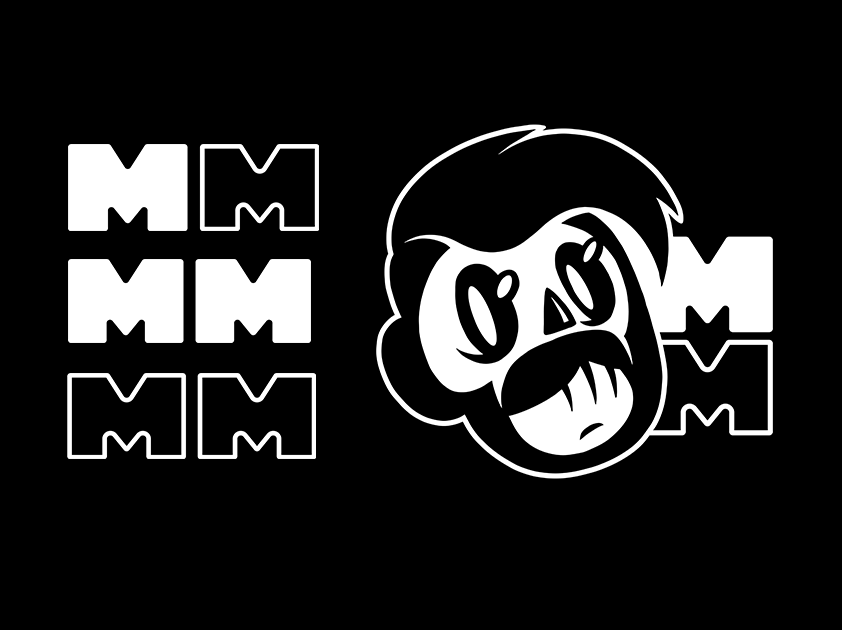
- Brand Name and Logo: Your name should reflect your business values and be easy to remember. A distinctive logo adds instant recognition and can be used across your merchandise.
- Color Palette and Typography: Choose a set of colors and fonts that convey your brand’s personality. A unique and consistent color palette helps customers visually identify your brand in a competitive marketplace.
- Voice and Messaging: Decide on a tone of voice that aligns with your audience and brand—whether it’s fun, professional, or edgy. This tone should be consistent across all communication, from product descriptions to social media posts.
3. Focus on Design Consistency

-
- Each product design should feel like it belongs to the same brand. Consider using similar themes, colors, or design elements across your items, ensuring that customers can easily identify your work.
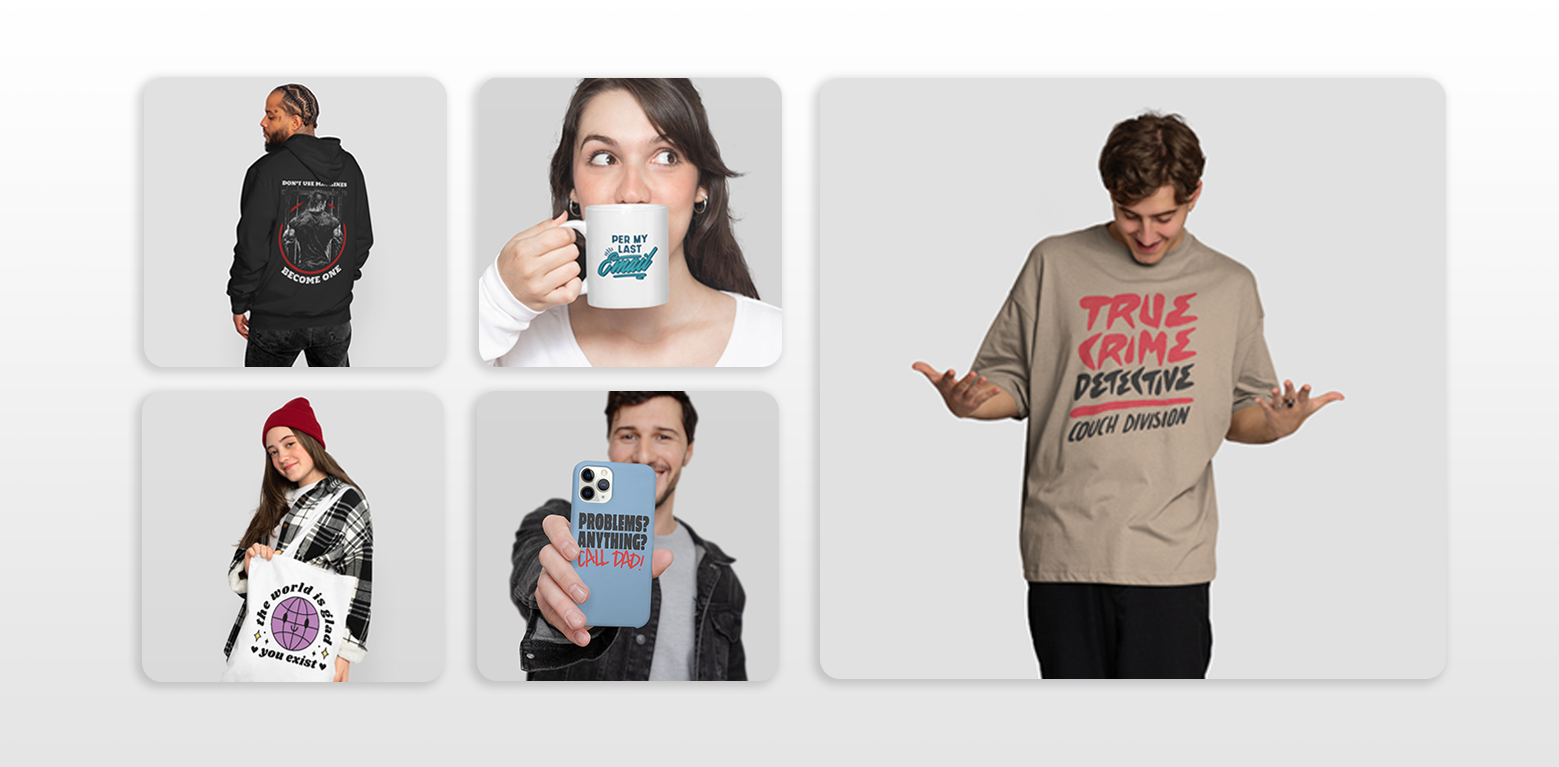
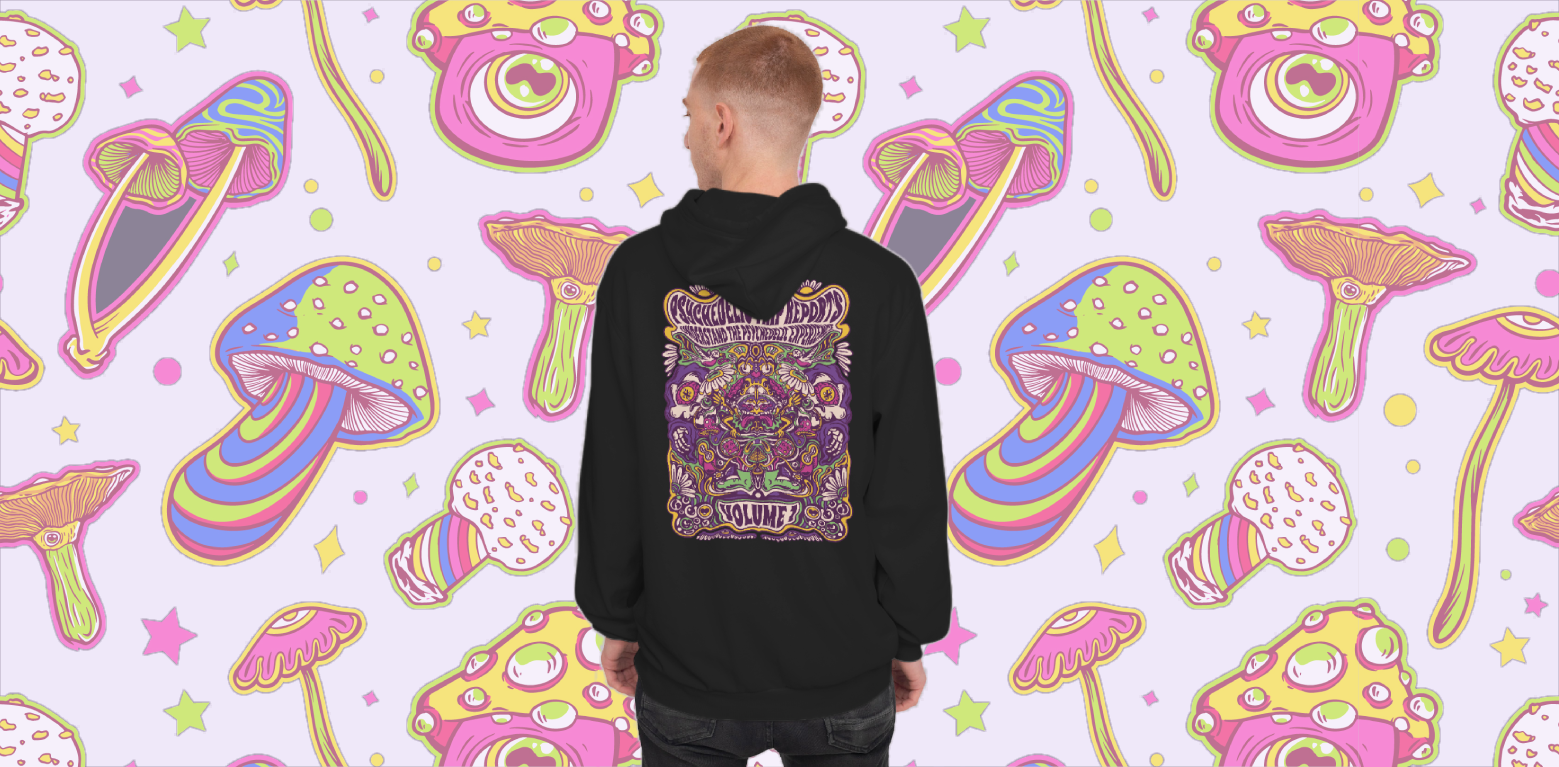
- Tools like Adobe Illustrator, Canva, and Vexels can help create and maintain consistent visuals. Additionally, using coherent mockups can show customers how designs look in real life, while also showcasing the type of customer you’d imagine wearing your products. A Mockup Generator is the best way to do it fast and easy. Looking for fast and original designs? Try an AI design generator today!
4. Build Your Online Presence

-
- Website and Online Store: If you can, build a dedicated website where you have full control over the branding. Platforms like Shopify and WooCommerce make it easy to customize a professional store with your branding elements. Having your own site builds credibility and allows you to create a branded shopping experience that marketplaces can’t offer.
- Social Media: Use social media to show your brand’s personality and connect with your audience. Instagram and TikTok are particularly effective for merch sellers, allowing you to post creative content that reflects your brand’s vibe and engages potential customers.
5. Optimize Customer Experience
-
- Packaging: Even in POD (print-on-demand), custom packaging options are available that let you add a personal touch, such as thank-you notes or branded stickers. Thoughtful packaging elevates your brand and leaves a lasting impression.
- Customer Support and Policies: Ensure customer interactions reflect your brand. Prompt responses, clear policies, and helpful support can turn one-time buyers into loyal fans.
6. Analyze Competitors and Market Trends

-
- Study your competition to identify what they’re doing well and where there’s room for improvement. Focus on elements that make their brand memorable, then think about what sets you apart. Analyzing current trends in your market can also inspire unique branding ideas.
Conclusion
Creating a brand can be a rewarding journey, allowing you to showcase your personality and connect with customers on a deeper level. A well-crafted brand can elevate your merchandise business, making it appear intentional and high-end, even if you’re working with limited resources. Not every merch seller invests in brand-building, so by doing so, you’re positioning yourself uniquely in a crowded e-commerce landscape, encouraging customer loyalty and long-term growth.
This approach to brand-building goes beyond product design, focusing on the values and experiences that will make your brand memorable and your customers engaged.