Whether you’re showcasing your products on a marketplace or your own e-commerce site, the quality of your product descriptions can make a huge difference in your sales. An engaging, keyword-rich description can help potential customers discover your products, especially when you’re still building your following. In this article, we’ll explore how to write compelling SEO product descriptions that attract traffic and boost conversions.
What Exactly Are SEO Product Descriptions?
SEO, or Search Engine Optimization, involves optimizing your content to rank higher in search engine results. For product descriptions, this means using relevant words or terms that potential customers are likely to use when searching for products like yours. By incorporating these keywords naturally into your descriptions, you help search engines understand what your product is about, making it easier for people to find you.

Why SEO Product Descriptions Matter
- Boost search engine rankings: Well-optimized product descriptions can improve your visibility in search engine results pages (SERPs). This increased visibility can drive more organic traffic to your site.
- Drive more traffic: Higher rankings translate to more visitors. The more people who see your product descriptions, the higher the chance of conversions.
- Enhance user experience: Clear, descriptive, and keyword-rich content helps potential customers quickly find the information they need, which can lead to a better overall shopping experience.
- Improve conversion rates: Effective product descriptions not only attract visitors but also persuade them to make a purchase. By highlighting key features and benefits, you can turn browsers into buyers.
Tips for Creating Effective SEO Product Descriptions

1. Conduct thorough keyword research
Understanding the terms your target audience uses to search for merch is crucial. Utilize keyword research tools like Google Keyword Planner, Keyword Surfer or Ahrefs to identify keywords with high search volume and low competition. Long-tail keywords—more specific phrases that typically contain three or more words—are particularly valuable.
For example, instead of just “band merch,” you might use “limited edition band merch for fans” or “funny graphic tees for gamers.” These longer, more specific phrases often face less competition and can attract more qualified traffic who are closer to making a purchase.
By incorporating both broad and long-tail keywords into your product descriptions, you not only improve your chances of ranking for various search queries but also target niche segments of your audience more effectively. Integrate these keywords naturally into your descriptions. Avoid keyword stuffing; instead, aim for a seamless blend that enhances readability and user experience.
2. Highlight features and benefits

On top of listing the product’s important features, detail how they benefit the customer. For instance, if you’re describing a limited-edition hoodie, explain how its high-quality fabric provides both comfort and durability, making it a long-lasting addition to their wardrobe. Or, if you’re selling a collectible pin, emphasize how its unique design makes it a perfect gift for fans and a standout piece in any collection.
3. Know your audience
Tailor your descriptions to resonate with your target audience. Consider their interests and preferences. If you’re marketing stylish phone cases, emphasize how the unique designs reflect personal style and offer protection for their devices. For eco-friendly water bottles, focus on how they help reduce single-use plastic and keep drinks at the perfect temperature. Use language and references that align with your audience’s values and lifestyle.
4. Find a tone of voice
Establishing a consistent tone of voice for your website is essential for creating a cohesive brand experience. Determine the tone that best aligns with your audience. For a playful and creative audience, a casual and witty tone might be appropriate. For a more professional crowd, a polished and informative tone could be more fitting. Be sure to use language that resonates with your audience and fits your brand’s personality.

In addition to defining your tone, outline key vocabulary that reflects your brand’s values and appeal. For example, if your brand focuses on luxury, use words like “opulent,” “premium,” and “exclusive.” Conversely, avoid jargon or terms that might alienate your audience or clash with your brand’s image.
Ensure readability by formatting your descriptions in a way that’s easy to digest. Use clear headings and break up text into manageable chunks and bullet points. Examples of well-crafted product descriptions can serve as models, illustrating how to effectively communicate your message while maintaining a consistent tone.
5. Use clear and engaging formats
Organize your product descriptions to highlight key benefits and features in a reader-friendly manner. For instance, if you’re selling a high-performance fitness tracker, describe how its advanced tracking features can help users monitor their workouts more effectively. Follow this with a detailed explanation of the tracker’s design, such as its comfortable fit and stylish appearance, to further engage potential buyers.
By structuring your descriptions to emphasize the product’s benefits and using engaging language, you make it easier for customers to understand why they should choose your product over others. This approach not only improves SEO but also enhances the overall shopping experience.
6. Use AI for Consistency
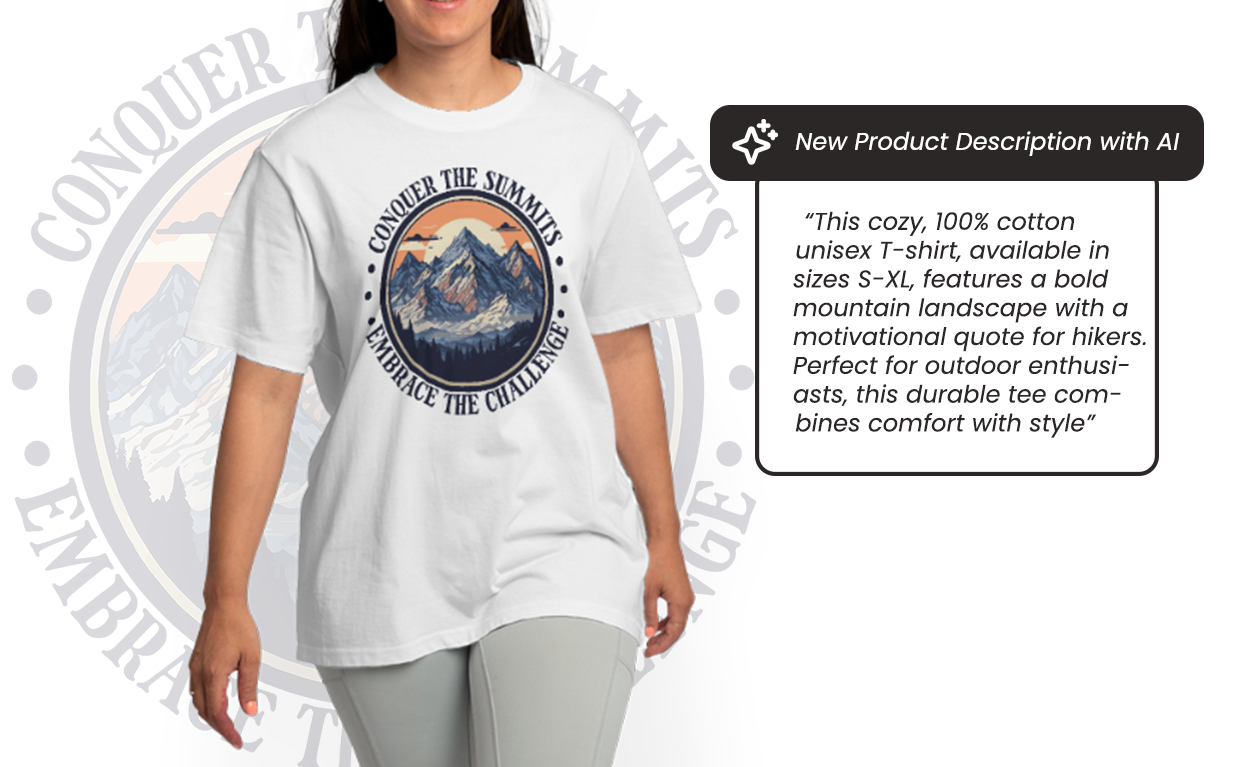
Once you’ve perfected a product description, consider using AI tools to maintain consistency across your descriptions. Many AI tools can analyze and remember the structure, tone of voice, and style of your descriptions. By feeding your well-crafted examples into an AI system, you can create a template that replicates your successful approach for other products. This ensures uniformity in your product listings and saves time while scaling your content production. Just make sure to review the AI-generated descriptions to ensure they still align with your brand’s voice and the unique features of each product.
Conclusion
Creating SEO-friendly product descriptions is all about balancing relevance and readability. By conducting thorough keyword research, focusing on the benefits of your products, understanding your audience, and maintaining a consistent tone of voice, you can create descriptions that not only rank well but also resonate with potential customers. With these tips in mind, you’ll be well on your way to boosting your product visibility and driving more conversions.